Microdrama Character Writing: Give Your Lead One Clear Want
Give your viewer someone to follow before you give them a world to understand.
By microdra.ma · Vertical Future
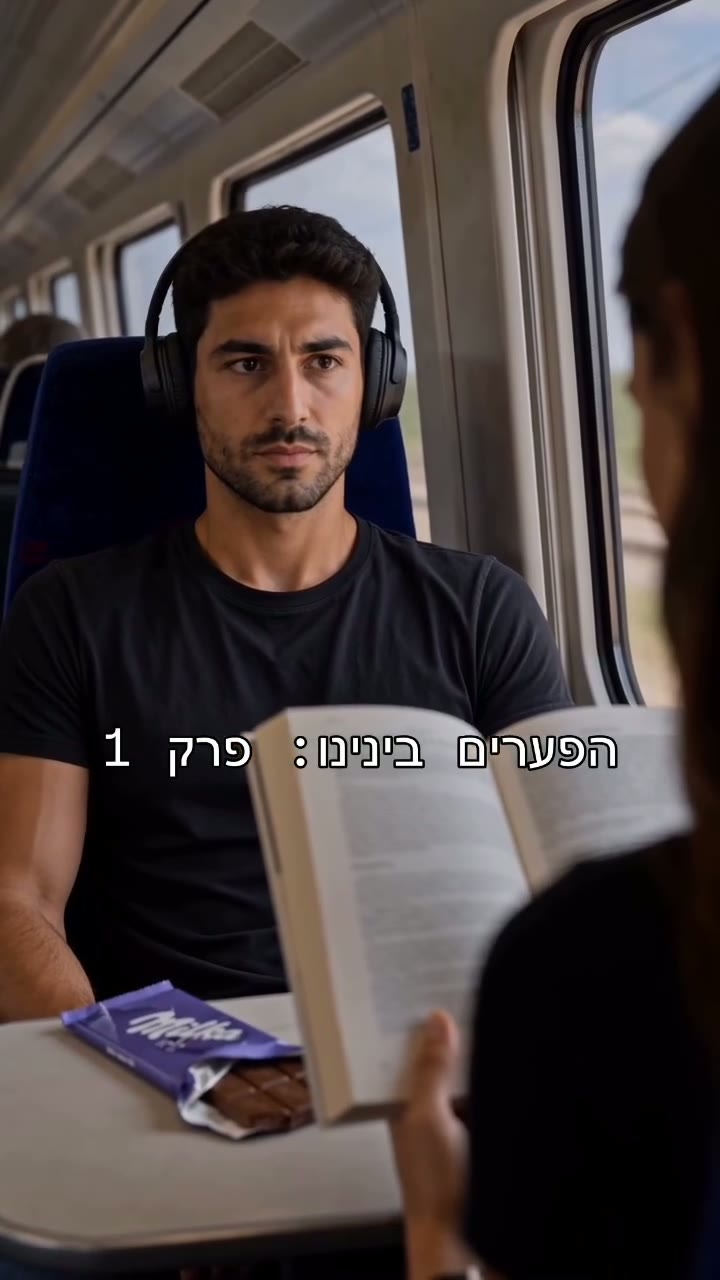
Previously: Tip #1: the first 3 seconds.
You can have a missing necklace, a secret marriage and a locked room in the same pilot. But if we don't know whose problem we're watching, those details feel like a trailer for three different shows. Viewers follow a person. Plot matters because it gets between that person and something she wants. For your first episode, make that want so clear a friend could describe it after one viewing.
Give her a want you can film
“She wants a better life” is a theme, not an action. “She needs to retrieve the envelope before her mother opens it” gives you a scene. There is a person, an object and an obstacle. We can see whether she is winning or losing without a narrator explaining anything.
Try this sentence: “In episode one, she wants to ___, but ___.” Fill the first space with a verb: hide, escape, confess, retrieve, stop. Fill the second with a person or physical problem. “She wants to stop her sister signing the contract, but the wedding ceremony has already started.” Now you have something to shoot.
Put the stakes in the first 20 seconds
The stakes answer a separate question: what happens if she fails? They don't have to involve death or a huge conspiracy. Losing her apartment, exposing her father or letting her sister marry someone dangerous can be enough. The consequence just needs to matter to this particular person.
Make it visible early. An eviction notice beside a packed suitcase tells us more than “I've been having a difficult month.” A message reading “If she signs, I send the photos” gives the contract a consequence. By the first 20 seconds, aim to establish the want and the cost of failure. That's a useful storytelling target, not a substitute for checking the contest's submission requirements.
Build a small chain of example beats
Let's use the wedding. These timings are an editing exercise, not a required episode structure. Adjust them to your performances and the current brief.
- Opening: Maya sees her sister reaching for a pen. Maya's phone lights up with the threatening message.
- By 20 seconds: Maya tries to take the contract. Her sister says, “You've ruined enough for me.” We understand both the immediate goal and why talking won't be easy.
- Middle: Maya spills a drink to interrupt the signing. The groom quietly replaces the wet contract with a second copy. He's prepared.
- Final beat: Maya opens her bag to show the evidence. The photographs are gone. Across the room, her mother is holding the envelope.
Notice that the plot keeps changing, but Maya's want doesn't. Every beat either helps her stop the signature or makes that harder. We aren't switching to the groom's childhood or introducing another family's unrelated argument.
Let the obstacle reveal the character
A clear want doesn't mean a simple personality. Maya might be protective and jealous at the same time. Show that through the way she acts. Does she ask politely, lie, grab the pen or risk embarrassing her sister in public? The choice tells us who she is under pressure.
Give another character a competing want. Her sister wants the ceremony to go smoothly. That's more useful than making her refuse help for no reason. Both people can be understandable while standing in each other's way. Conflict becomes a collision between goals, not two people exchanging information for the audience.
Cut anything that doesn't change her chances
Go through your draft and ask what each shot changes. A close-up of Maya's shaking hand might show that she is about to act. A long view of the venue might only show an expensive venue. If removing a shot doesn't affect our understanding of her goal, the obstacle or the consequence, try the cut.
Then show the rough version to someone without giving them the premise. Ask three questions: who are you following, what does she want right now, and what happens if she fails? If their answers differ from yours, fix the scene rather than adding a paragraph to the pitch. A PilotRush pilot can hold back plenty of secrets. Its main character's immediate want shouldn't be one of them.